
Back to Blogs

How Sedation Dentistry Helps Anxious Patients Relax

If dental anxiety or a strong gag reflex has kept you from achieving optimal oral health, it’s time to discover the difference sedation dentistry can make. Dr. Karnik Shah and the compassionate team at ComfyDent Smiles in Bee Cave, TX, are dedicated to providing a comfortable and fear-free dental experience.

August 6, 2026
2 min read
Abigail reclines on a sofa in a bedroom nook, resting after a dental sedation appointment.
Back to Blogs
Abigail reclines on a sofa in a bedroom nook, resting after a dental sedation appointment.

How Sedation Dentistry Helps Anxious Patients Relax

If dental anxiety or a strong gag reflex has kept you from achieving optimal oral health, it’s time to discover the difference sedation dentistry can make. Dr. Karnik Shah and the compassionate team at ComfyDent Smiles in Bee Cave, TX, are dedicated to providing a comfortable and fear-free dental experience.

August 6, 2026
2 min read

Comfort for Your Dental Visit

For many, the thought of a dental appointment can bring feelings of apprehension, but modern sedation dentistry offers a profound solution, allowing patients to experience complete comfort and relaxation during their treatments. It ensures that essential care is never delayed due to fear.

This approach prioritizes patient well-being, transforming potentially stressful visits into calm, even peaceful, experiences.

Abigail, a woman in her late 30s, had always postponed dental work due to severe anxiety. Her last dental visit years ago left her feeling overwhelmed and tearful. She knew she needed a cleaning and perhaps some restorative work, but the thought alone made her heart race.

A friend, Melissa, recommended ComfyDent Smiles, specifically mentioning Dr. Karnik Shah's compassionate approach. Abigail decided to schedule a consultation, hoping to finally overcome her long-standing dental fears.
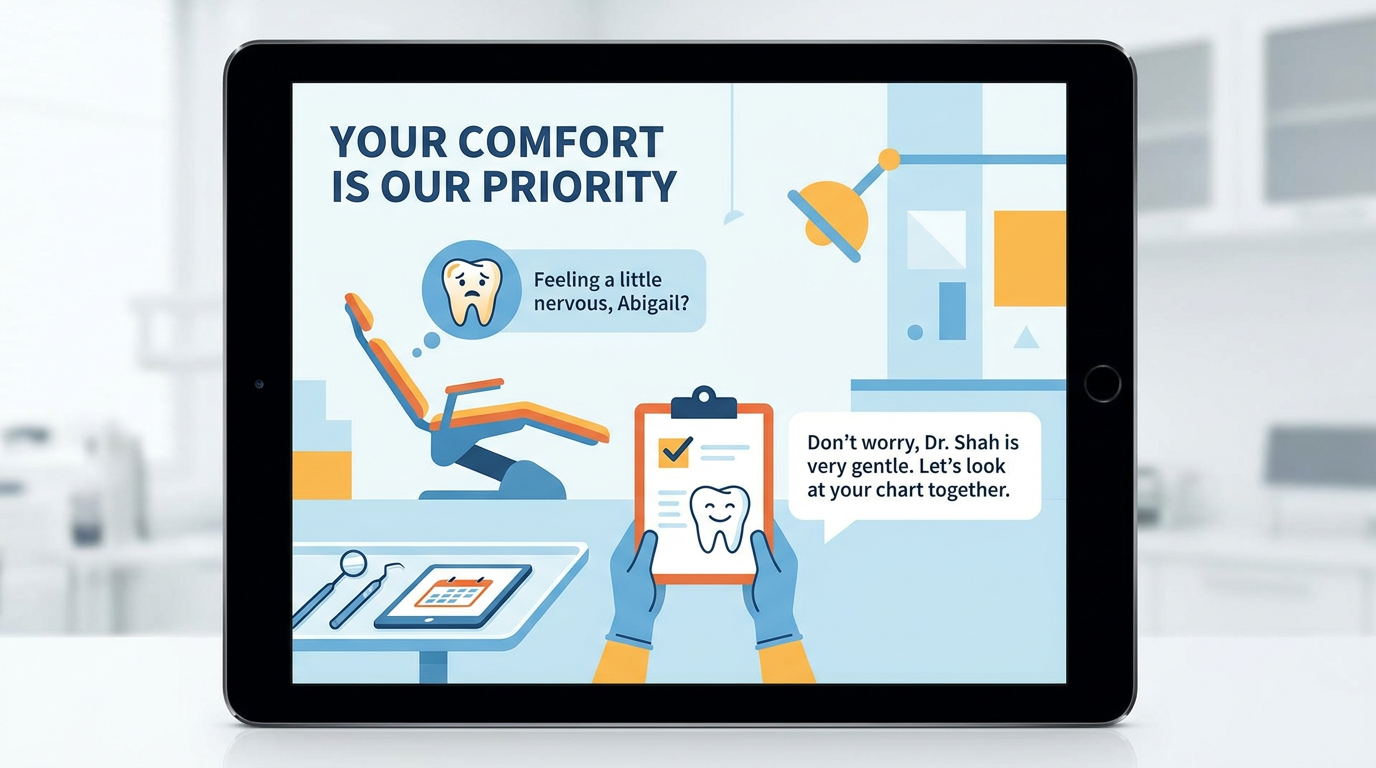
Abigail, sits in a modern dental chair, looking slightly apprehensive.

Sedation Dentistry Options

Several effective dental sedation options exist to help patients relax, ranging from mild anxiolysis to deeper sedation, tailored to individual needs. Dr. Shah always discusses these choices thoroughly during the initial consultation. The goal is to ensure each patient feels supported and in control of their comfort level.

When Abigail met with Dr. Shah, she expressed her profound fear and strong gag reflex. Dr. Shah explained that her comfort was their highest priority. He then detailed the different types of sedation available at ComfyDent Smiles:

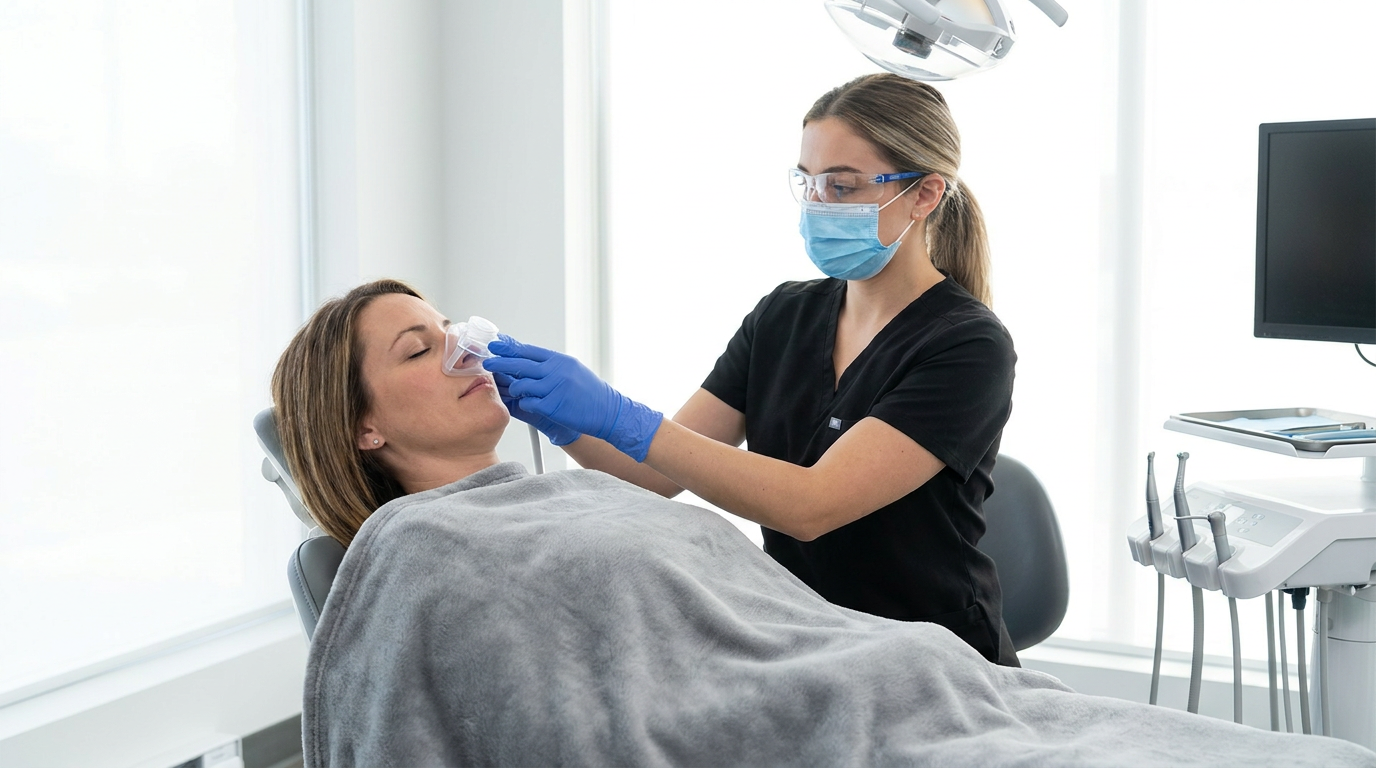
  • Nitrous Oxide (Laughing Gas): This is a mild sedative inhaled through a small mask. It helps patients feel relaxed and a bit euphoric, with effects that wear off quickly after the mask is removed. It's often chosen for routine procedures.
  • Oral Sedation: Administered as a pill taken before the appointment, this option provides a deeper state of relaxation. Patients remain conscious but may feel drowsy and recall little of the procedure. It requires a ride home.
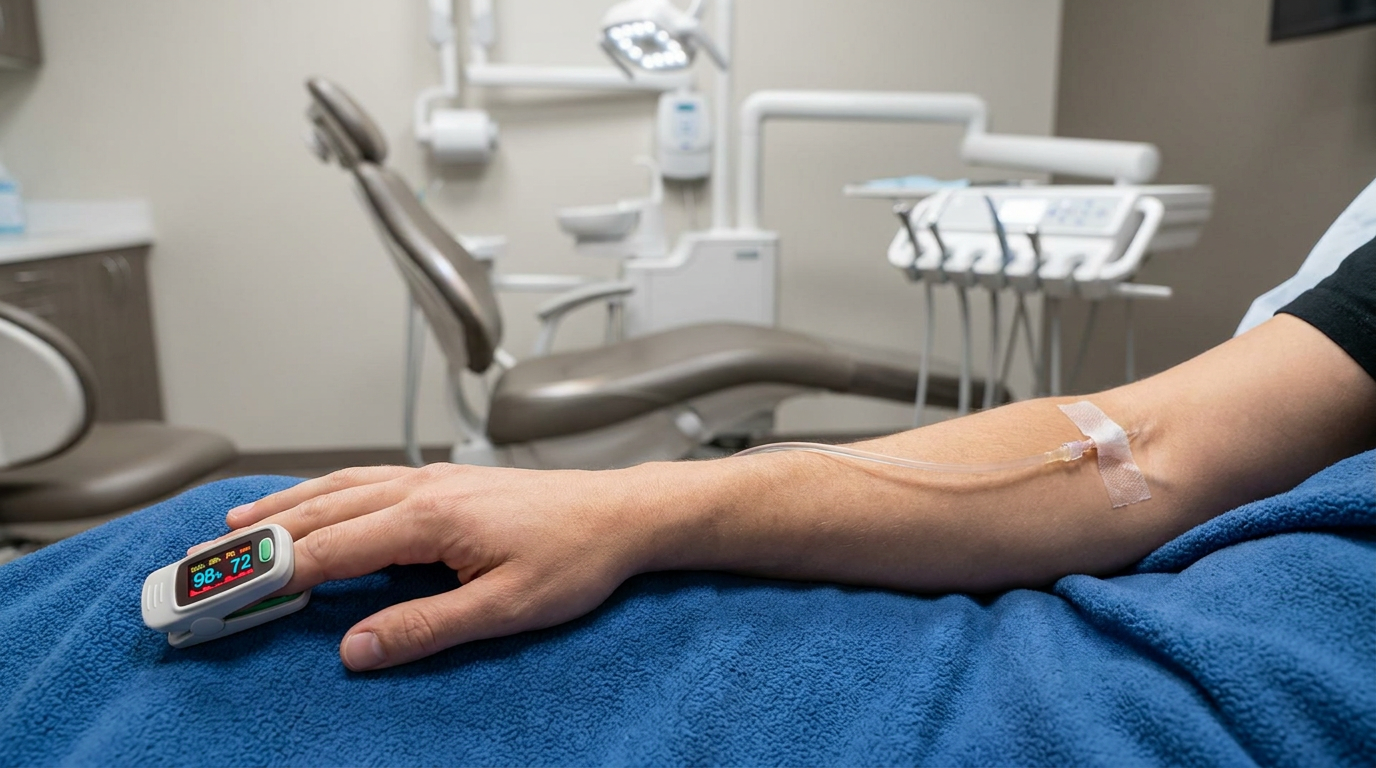
  • IV Sedation: Delivered intravenously, this offers a more profound level of relaxation. Patients often feel as though they've slept through the procedure, with minimal memory of it. Continuous monitoring ensures safety.

Dr. Shah assured Abigail they would find the perfect fit for her upcoming dental cleanings and any necessary treatments.

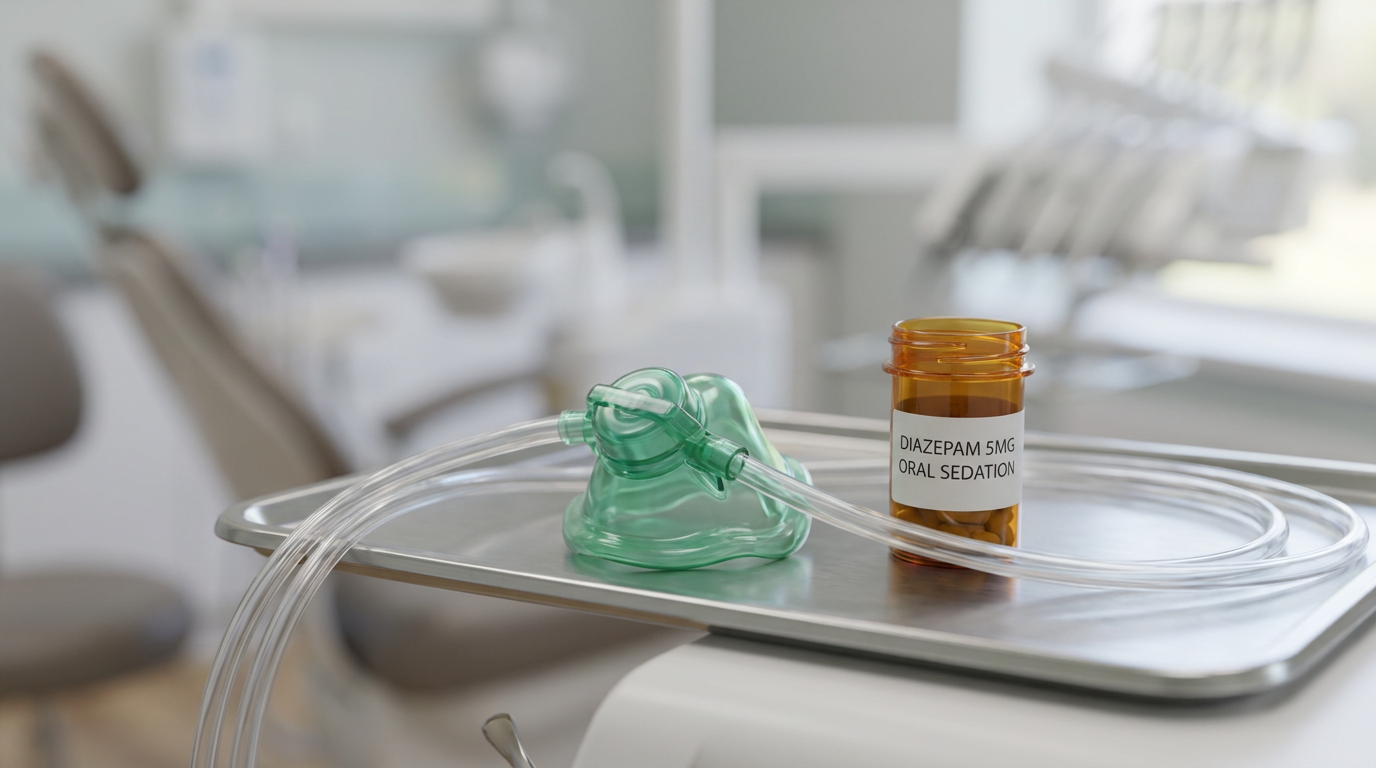
A close-up of a small, translucent green mask for nitrous oxide sedation, with clear tubing extending out of frame.

Who Benefits From Sedation Dentistry?

Many individuals find immense relief and benefit from sedation dentistry, particularly those who experience significant anxiety or discomfort during dental procedures. It is a wonderful tool for patients who might otherwise avoid essential care. Dr. Shah emphasizes that it’s about making dentistry accessible for everyone.

Abigail wondered if her anxiety was "bad enough" for sedation. Dr. Shah clarified that it's suitable for a wide range of needs. He listed several common reasons patients choose sedation:

  • Dental Phobia or Anxiety: For individuals like Abigail, whose fear prevents them from seeking care, sedation can be life-changing. It allows them to relax and receive treatment.
  • Strong Gag Reflex: Sedation can significantly suppress a sensitive gag reflex, making procedures more tolerable. This was a major concern for Abigail.
  • Difficulty Getting Numb: Some patients struggle to get fully numb with local anesthetic alone, and sedation can help manage any residual discomfort. It ensures a truly pain-free experience.
  • Extensive or Lengthy Procedures: Sedation makes long appointments, such as multiple fillings or extractions, feel much shorter and more comfortable. Patients remain relaxed throughout.

Choosing the right option with Dr. Shah’s guidance ensures a stress-free experience.

Abigail, is comfortably reclined in a dental chair, eyes closed, with a soft blanket draped over her.

What to Expect With Sedation

During a sedation dentistry appointment, the patient's comfort and safety are continuously monitored. The process begins with a thorough review of medical history to ensure the chosen sedation method is appropriate. Dr. Shah's team provides clear instructions on preparation.

For Abigail's first sedation appointment, she opted for oral sedation, feeling it offered the right balance of relaxation and awareness. She followed Dr. Shah’s instructions to take the prescribed pill one hour prior to her scheduled visit. Her husband, Steven, drove her to the Bee Cave office, as required by the oral sedation protocol.

Upon arrival, Abigail felt noticeably calmer, yet still able to communicate clearly with the dental team. Dr. Shah monitored her vital signs throughout the dental cleaning, ensuring her safety and comfort. The procedure, which she usually dreaded, passed quickly and without incident, leaving her with only a vague memory of the experience.

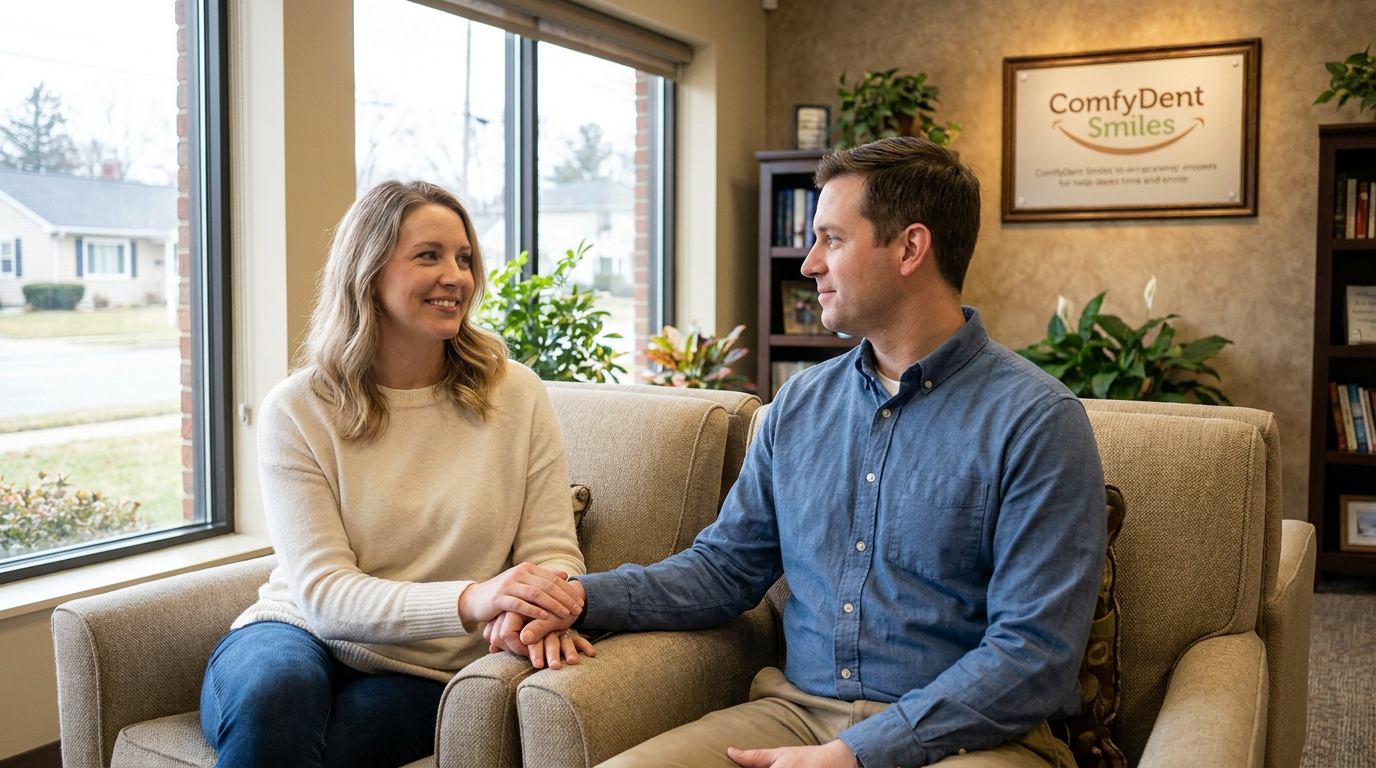
Abigail, is seated on a plush armchair in a bright, inviting waiting room, looking calm and relaxed.

Experience Calm Dental Care

If dental anxiety or a strong gag reflex has kept you from achieving optimal oral health, it’s time to discover the difference sedation dentistry can make. Dr. Karnik Shah and the compassionate team at ComfyDent Smiles in Bee Cave, TX, are dedicated to providing a comfortable and fear-free dental experience.

Post-Sedation Recovery and Aftercare

Following a sedation appointment, recovery varies depending on the type of sedation used, but typically involves a period of rest and careful observation. Dr. Shah's team provides comprehensive aftercare instructions to ensure a smooth and safe return to normal activities. Patient safety is always paramount.

After her oral sedation, Abigail felt groggy but comfortable. Steven helped her into the car, and she rested at home for the remainder of the day. The effects of the sedation lingered for a few hours. Dr. Shah had provided specific post-care instructions:

  • Rest: Plan to relax for the rest of the day, avoiding strenuous activities. Most patients feel drowsy and prefer to sleep.
  • Hydration: Drink plenty of fluids, but avoid alcohol for at least 24 hours. Staying hydrated aids recovery.
  • Diet: Start with soft, easily digestible foods. Gradually return to your normal diet as you feel comfortable.
  • Avoid Driving: Do not drive or operate heavy machinery for at least 24 hours after oral or IV sedation. A responsible adult must accompany you.

Abigail woke the next morning feeling refreshed and relieved, her teeth sparkling clean.

A close-up of a patient's arm resting on a blue blanket, with an IV line discreetly inserted into their inner elbow.

Is Sedation Dentistry Safe?

Patient safety is the cornerstone of all procedures at ComfyDent Smiles, especially when it comes to sedation dentistry. Dr. Shah and his entire team are highly trained and experienced in administering and monitoring all forms of sedation. They adhere to strict safety protocols.

Before any sedation is administered, Dr. Shah conducts a thorough review of the patient's medical history, including any medications they are taking. This crucial step helps identify potential risks or contraindications. During the procedure, vital signs such as heart rate, blood pressure, and oxygen levels are continuously monitored.

The Bee Cave office is equipped with advanced monitoring equipment and emergency protocols, ensuring that patient well-being is safeguarded at every moment. Abigail felt completely confident in Dr. Shah's expertise and the professionalism of his team. Her positive experience reassured her about the safety of the process.

Dr. Karnik Shah, meticulously reviews a patient's digital medical history on a tablet, his expression focused and professional.

Addressing Common Sedation Concerns

It is natural for patients to have questions and concerns about sedation dentistry, and addressing these openly is part of ensuring a comfortable experience. Dr. Shah encourages patients to voice any worries they might have. Open communication builds trust and alleviates apprehension.

During her initial consultation, Abigail had several common concerns. Dr. Shah patiently addressed each one:

  • "Will I be completely unconscious?" For nitrous oxide and oral sedation, patients remain conscious and able to respond, but feel deeply relaxed. With IV sedation, many patients enter a sleep-like state, remembering little.
  • "Will I feel pain?" Sedation significantly reduces anxiety and discomfort, and local anesthetic is still used to numb the treatment area, ensuring no pain during the procedure.
  • "What if something goes wrong?" The team at ComfyDent Smiles is trained in emergency procedures and continuously monitors vital signs. They prioritize safety above all else.
  • "Will I be groggy all day?" While oral and IV sedation require a rest period, effects typically diminish within several hours. Nitrous oxide effects disappear almost immediately.

These reassurances helped Abigail feel ready for her first anxiety-free dental visit.

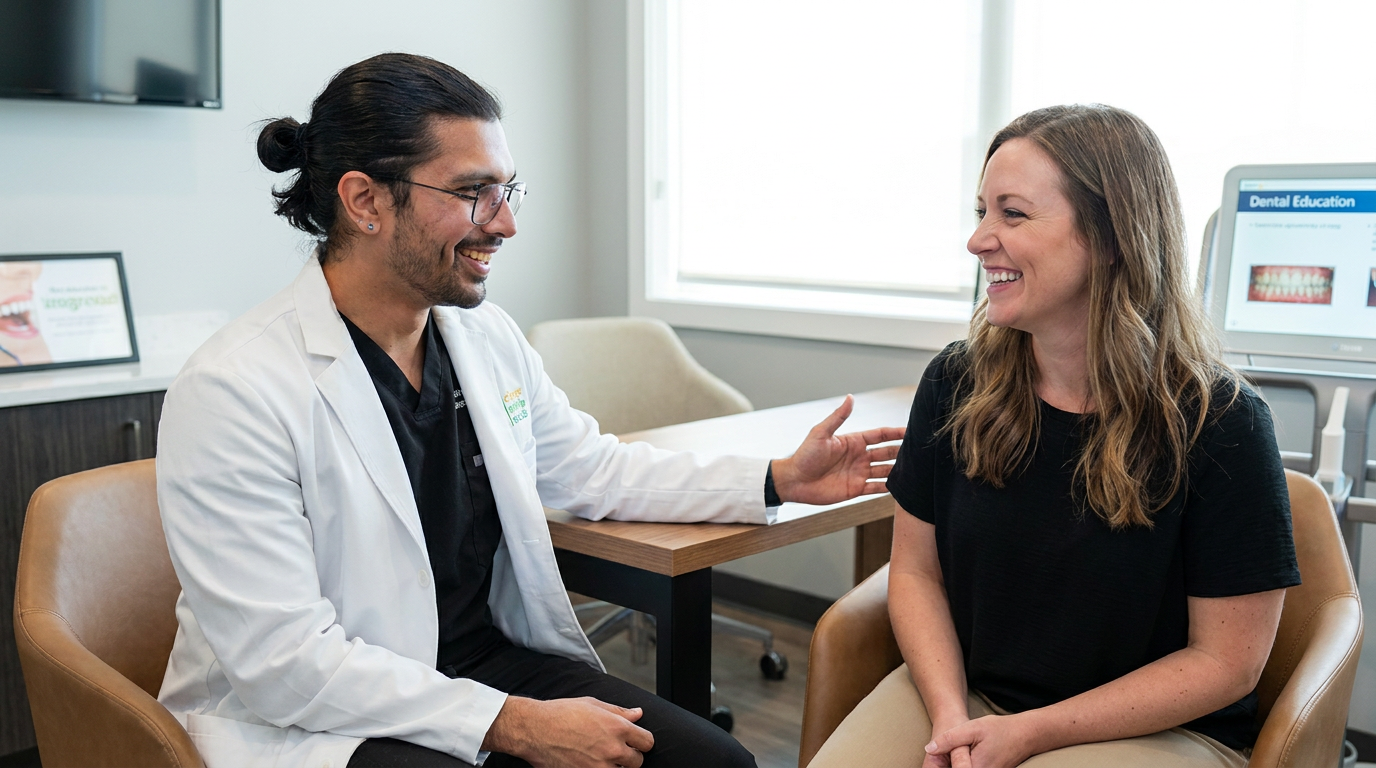
Abigail, smiles genuinely while conversing with Dr. Karnik Shah, who is making a reassuring gesture with his hand.

A New Approach to Dental Care

Abigail's journey with sedation dentistry at ComfyDent Smiles marked a significant turning point in her life. What once felt like an insurmountable obstacle transformed into a manageable, even peaceful, experience. She realized that regular dental care no longer needed to be a source of dread.

Her initial fear of the dental chair, which had kept her from essential check-ups for too long, finally began to recede. With the help of Dr. Karnik Shah and his understanding team, Abigail was able to receive not only a much-needed cleaning but also address some restorative work she had put off for years.

The ability to undergo these procedures without the overwhelming anxiety she once faced was truly liberating. She appreciated the clear communication and the thoughtful approach taken to her individual needs. Abigail now looks forward to her future dental appointments with a newfound sense of calm, knowing that her comfort and well-being are always the priority.

She has even encouraged another patient, Steven, who also harbored some dental apprehension, to consider a consultation at ComfyDent Smiles. Her experience proves that with the right care and approach, a positive dental journey is possible for everyone, even those with deep-seated fears.

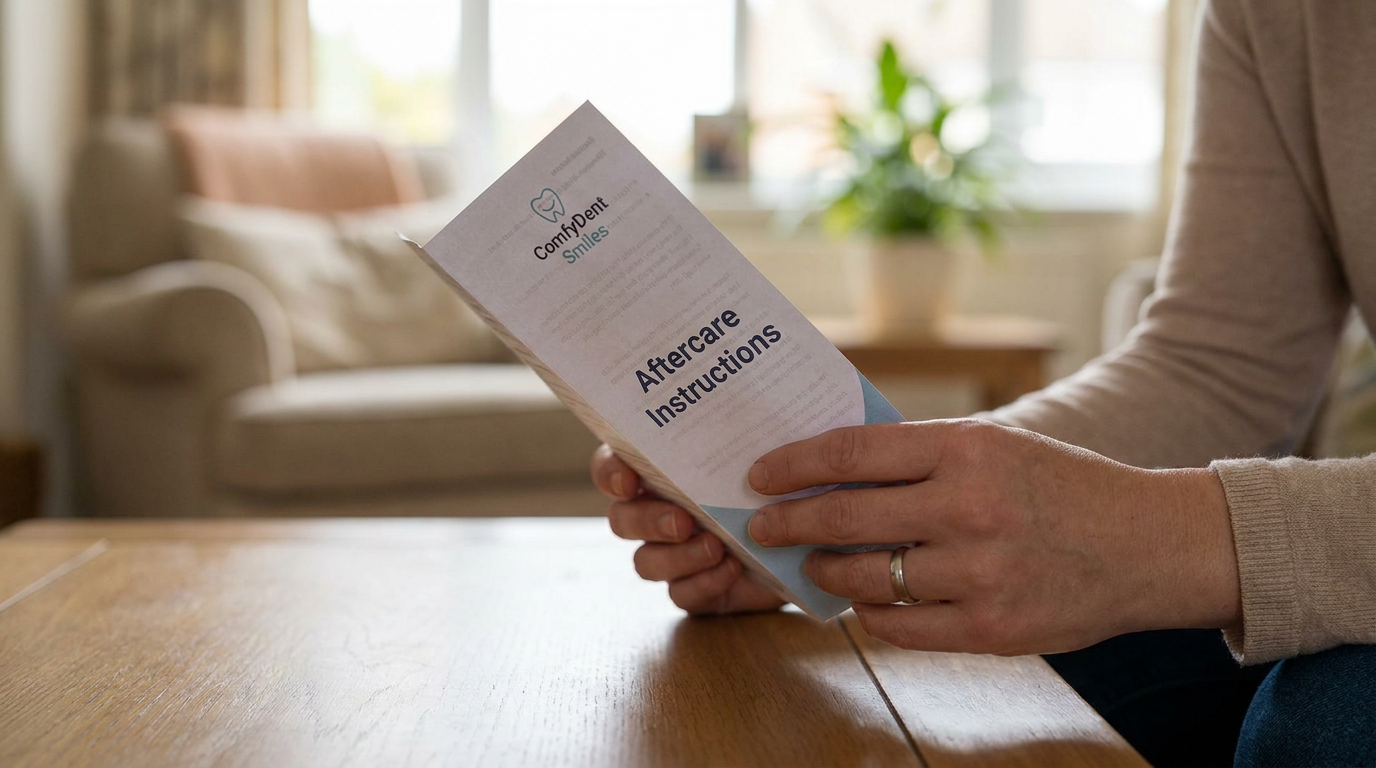
A close-up of Abigail's hands, holding a small pamphlet titled "Aftercare Instructions" from ComfyDent Smiles.

Frequently Asked Questions

1. What is sleep dentistry?
Sleep dentistry is another term often used for sedation dentistry, where patients are in a deeply relaxed state, sometimes feeling as if they are sleeping through their dental procedures. It ensures a comfortable experience.

2. Can I drive myself home after sedation?
If you receive oral or IV sedation, you will need a responsible adult to drive you home, as the effects can impair your ability to safely operate a vehicle. Nitrous oxide wears off quickly, allowing you to drive yourself.

3. How long does sedation dentistry last?
The duration of the sedation effects varies by type. Nitrous oxide wears off almost immediately after the mask is removed. Oral and IV sedation effects can linger for several hours, requiring a day of rest and recovery.

4. Will I remember my dental procedure with sedation?
With mild sedation like nitrous oxide, you will likely remember the procedure. With oral or IV sedation, many patients experience amnesia regarding the dental work, recalling little to nothing of the appointment.

5. Is sedation dentistry only for fearful patients?
While sedation dentistry is excellent for anxious patients, it also benefits those with a strong gag reflex, difficulty sitting still, very sensitive teeth, or those undergoing lengthy or complex procedures.

6. Are there any side effects of dental sedation?
Side effects are typically mild and temporary, such as drowsiness, dizziness, or nausea. Dr. Shah thoroughly reviews your medical history to minimize risks and discusses potential side effects during your consultation.

RELATED BLOG POSTS

Stay Informed With Insights & Tips About Dental Care

Abigail reclines on a sofa in a bedroom nook, resting after a dental sedation appointment.

August 6, 2026

How Sedation Dentistry Helps Anxious Patients Relax

Sedation dentistry helps anxious patients relax during dental procedures, ensuring comfort and overcoming fear to achieve optimal oral health.

READ MORE
GET IN TOUCH

Let's Start A Conversation

Tell us a little about what brings you in. Whether you have a question about a service, want to check on your insurance, or are ready to book, we are happy to hear from you. We respond to every message within one business day, often the same morning.

OFFICE HOURS

Mon - Fri: 8:00 AM - 4:00 PM
Sat, Sun: Closed

Dental Emergency?

Same-day emergency appointments available. Call us now at (512) 540-4644.

Send An Inquiry

Thank you for booking your appointment!

We’ve received your request and will contact you soon to confirm the details. We look forward to seeing you at Comfydent Smiles!

Oops! Something went wrong while submitting the form.