Back to Blogs

What to Do When You Have a Dental Emergency?

Manage a dental emergency quickly with practical first-aid steps to relieve tooth pain and protect your natural smile.

November 7, 2026
•
2 min read
A patient sits on a sofa at home and holds a cloth-wrapped cold pack against his cheek to relieve tooth pain, with a mug on the coffee table nearby.
Back to Blogs
A patient sits on a sofa at home and holds a cloth-wrapped cold pack against his cheek to relieve tooth pain, with a mug on the coffee table nearby.

What to Do When You Have a Dental Emergency?

If you are experiencing persistent tooth discomfort, an unexpected crack, or a damaged restoration, do not wait for the problem to worsen. Contact our caring team at ComfyDent Smiles in Bee Cave today to schedule an evaluation with Dr. Karnik Shah.

November 7, 2026
•
2 min read

Immediate Steps for a Dental Crisis

When you experience a sudden oral injury or dental crisis, stay calm, control any bleeding with clean gauze, and call for professional care right away. For a knocked-out tooth, preserve it in milk or saliva and contact ComfyDent Smiles promptly to protect your oral health.

A sudden dental crisis can feel overwhelming, whether it happens on a sports field or during dinner at home. Taking the correct actions during the first thirty minutes makes a major difference in saving a natural tooth or relieving intense discomfort. Knowing basic first-aid protocols gives you confidence until you reach a clinical setting.

At our practice in Bee Cave, Dr. Karnik Shah regularly evaluates urgent dental issues to stabilize teeth and restore comfort. Acting quickly prevents minor cracks from expanding and keeps oral bacteria from reaching sensitive inner tooth tissues. If you suspect an injury requires clinical attention, reaching out early is always your safest step.

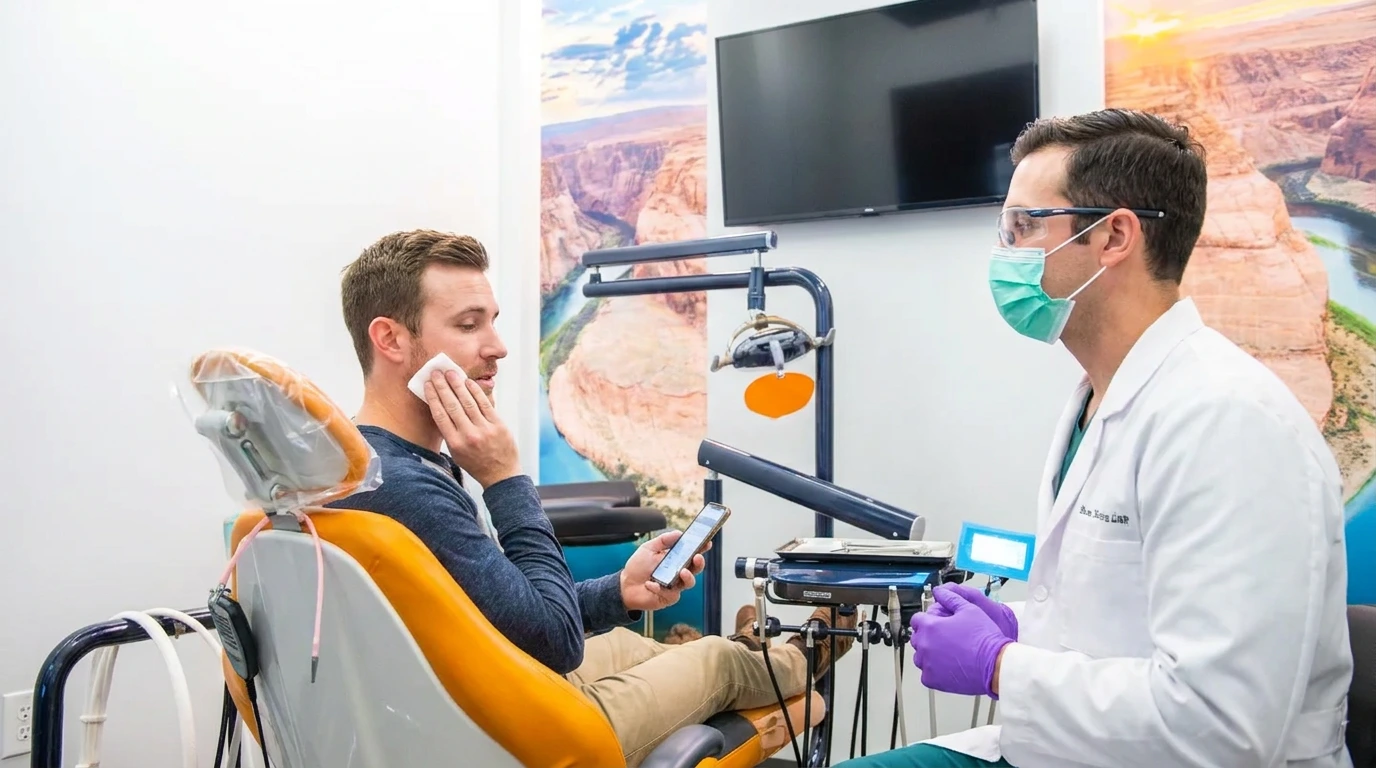
A dentist wearing a lab coat and mask talks with a patient who holds a cotton pad to his cheek and holds a smartphone while sitting in a dental chair.

How Do You Know If You Need Urgent Dental Care?

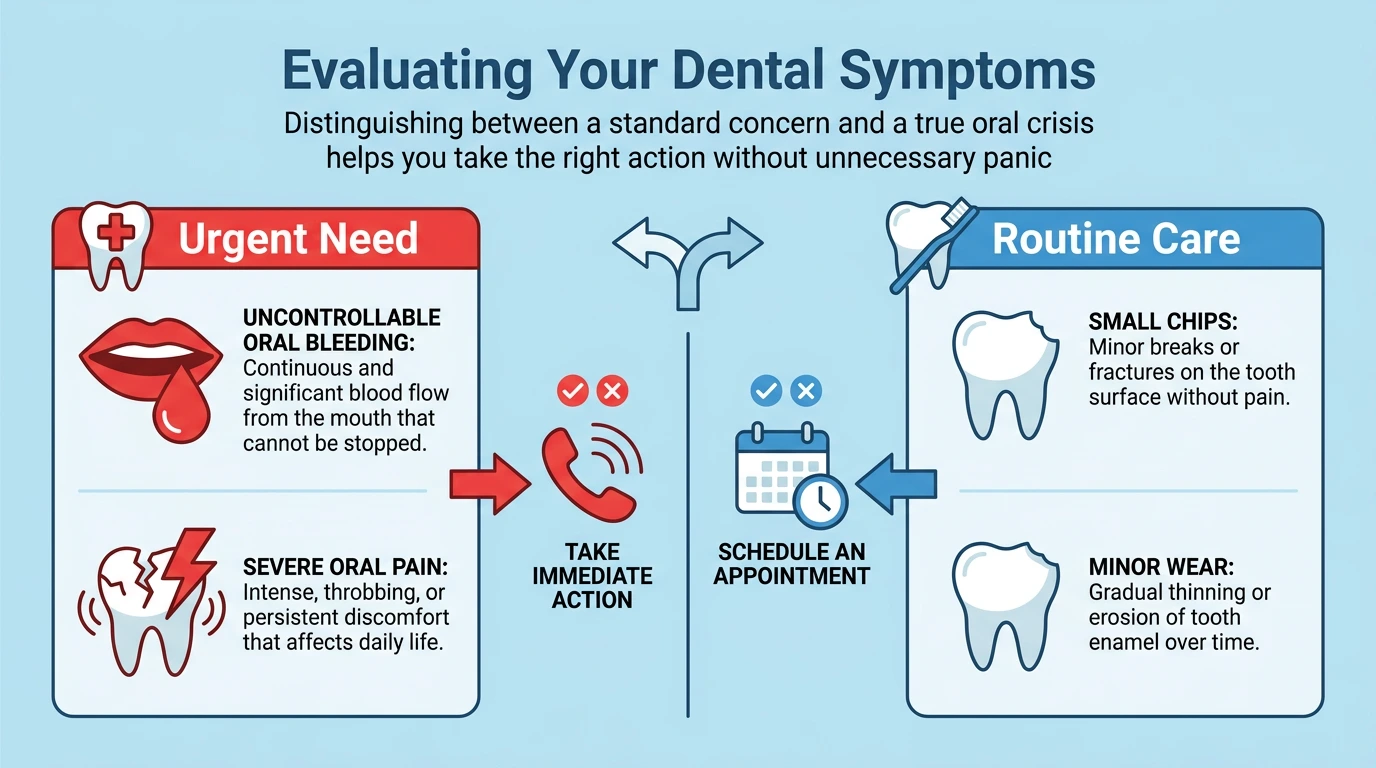
You need emergency dentistry if you experience uncontrollable oral bleeding, severe oral swelling, continuous throbbing pain, or a dislodged adult tooth. Less urgent problems, such as a mild cosmetic chip or a lost filling without discomfort, can typically wait for an evaluation during regular business hours.

Distinguishing between a standard concern and a true oral crisis helps you take the right action without unnecessary panic. While some issues require an immediate visit to our Bee Cave office, others are easily managed with temporary home care until the next routine opening. If you notice a rapidly spreading facial swelling, that is a clear signal to seek prompt professional attention.

Evaluating Your Dental Symptoms

  • Severe toothache: Unrelenting, throbbing pain that disrupts sleep or daily focus signals an underlying infection or nerve involvement that requires professional diagnostic evaluation.
  • Knocked-out adult tooth: Total avulsion of a permanent tooth demands immediate clinical intervention to maximize the likelihood of re-implanting the natural structure.
  • Loose or shifted tooth: Impact trauma that leaves a tooth unstable in the socket necessitates fast stabilization to protect the supporting bone and ligaments.
  • Uncontrolled soft-tissue bleeding: Persistent bleeding from the gums, tongue, or cheek that does not stop after firm pressure indicates the need for urgent physical assessment.
Infographic comparing urgent dental needs like bleeding and severe pain with routine care symptoms like small chips and minor wear.

How to Handle a Knocked-Out or Displaced Tooth?

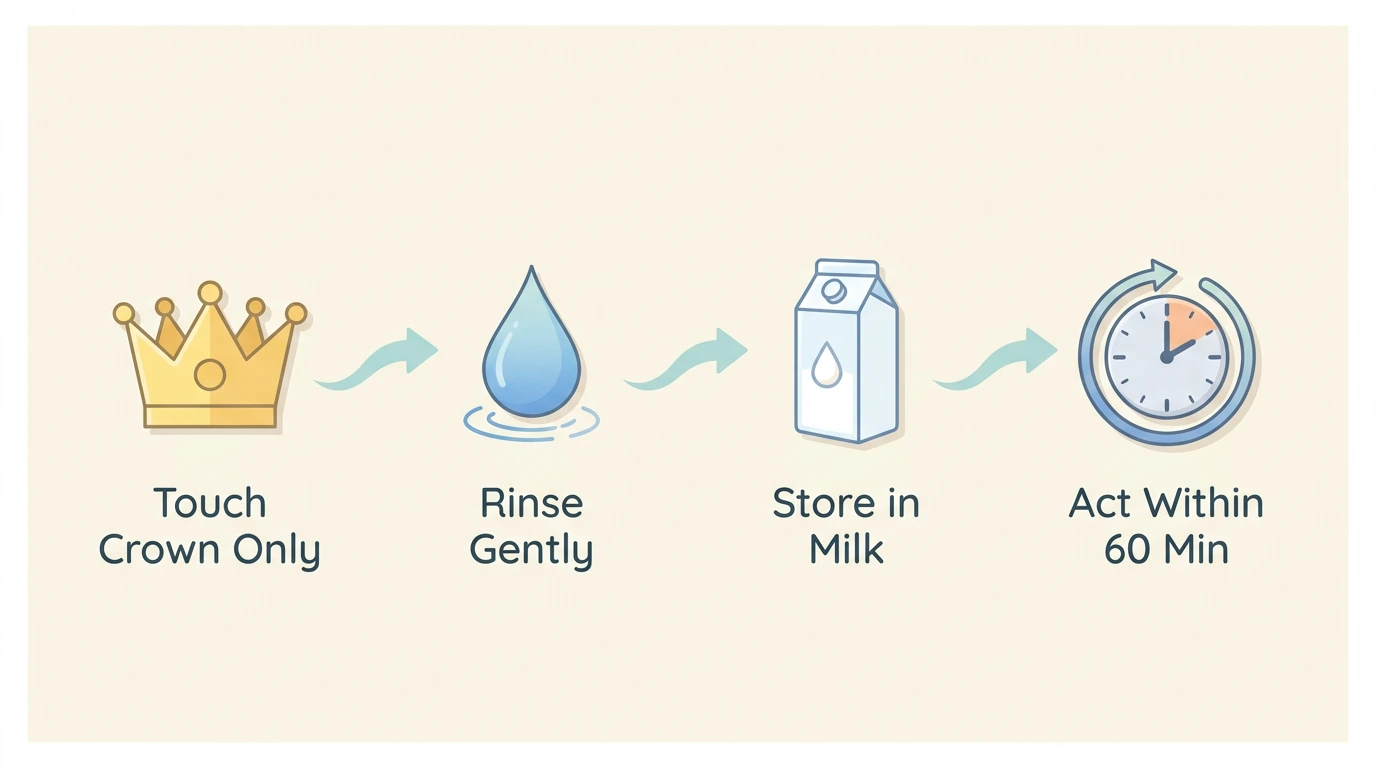
If an adult tooth is knocked out, handle it solely by the crown, rinse it gently with water if dirty, and try to place it back in the socket. If reinsertion is not possible, store the tooth in milk and seek care from Dr. Karnik Shah right away.

Time is the most critical factor when an adult tooth is completely dislodged from its periodontal socket. The delicate cellular fibers on the root surface begin to deteriorate quickly once exposed to dry air. Getting to a clinical setting within sixty minutes of injury provides the most favorable environment for saving your natural tooth structure.

Essential Avulsion First-Aid Steps

  • Touch only the crown: Never touch the delicate root surfaces, as manual friction damages the microscopic periodontal fibers necessary for successful reattachment.
  • Gently rinse if soiled: Use clean water to briefly wash away debris, avoiding soap, chemicals, or scrubbing motions that could strip biological tissue.
  • Store in cold milk: Submerging the dislodged tooth in a cup of milk maintains the proper cellular fluid balance until you arrive at the dental clinic.
  • Apply steady pressure: Place clean gauze over the bleeding socket and bite down gently to help slow blood loss while traveling for care.
A four-step dental emergency infographic displays icons for a crown, water droplet, milk carton, and clock with labels Touch Crown Only, Rinse Gently, Store in Milk, and Act Within 60 Min.

What Causes a Sudden Severe Toothache?

A sudden, sharp toothache often stems from deep bacterial decay reaching the inner pulp, a cracked tooth structure, or an abscess at the tooth root. These conditions trigger intense pressure within the enclosed dental pulp chamber, creating severe sensitivity to temperature changes and biting pressure that requires clinical treatment.

When oral bacteria penetrate the hard outer enamel and dentin layers, they invade the pulp tissue containing sensitive blood vessels and nerves. This biological invasion causes inflammation, which creates substantial internal pressure because the rigid surrounding tooth walls cannot expand. Seeking a prompt evaluation for a severe toothache allows the dental team to identify the precise origin of your discomfort.

Left unaddressed, deep infections can spread past the root apex into adjacent alveolar bone and facial tissues. Dr. Karnik Shah uses modern diagnostic techniques to examine the root structure and identify hidden cracks or decay. He can then recommend tailored treatments, such as protective restorations, periodontal therapies, or targeted procedures designed to eliminate bacterial buildup and protect surrounding healthy teeth.

A light teal rounded callout box on a white background features a black outline of a molar tooth beside the text Identify the Source Fast, accented by small green leaves and shield icons.

Schedule Your Visit at ComfyDent Smiles

If you are experiencing persistent tooth discomfort, an unexpected crack, or a damaged restoration, do not wait for the problem to worsen. Contact our caring team at ComfyDent Smiles in Bee Cave today to schedule an evaluation with Dr. Karnik Shah.

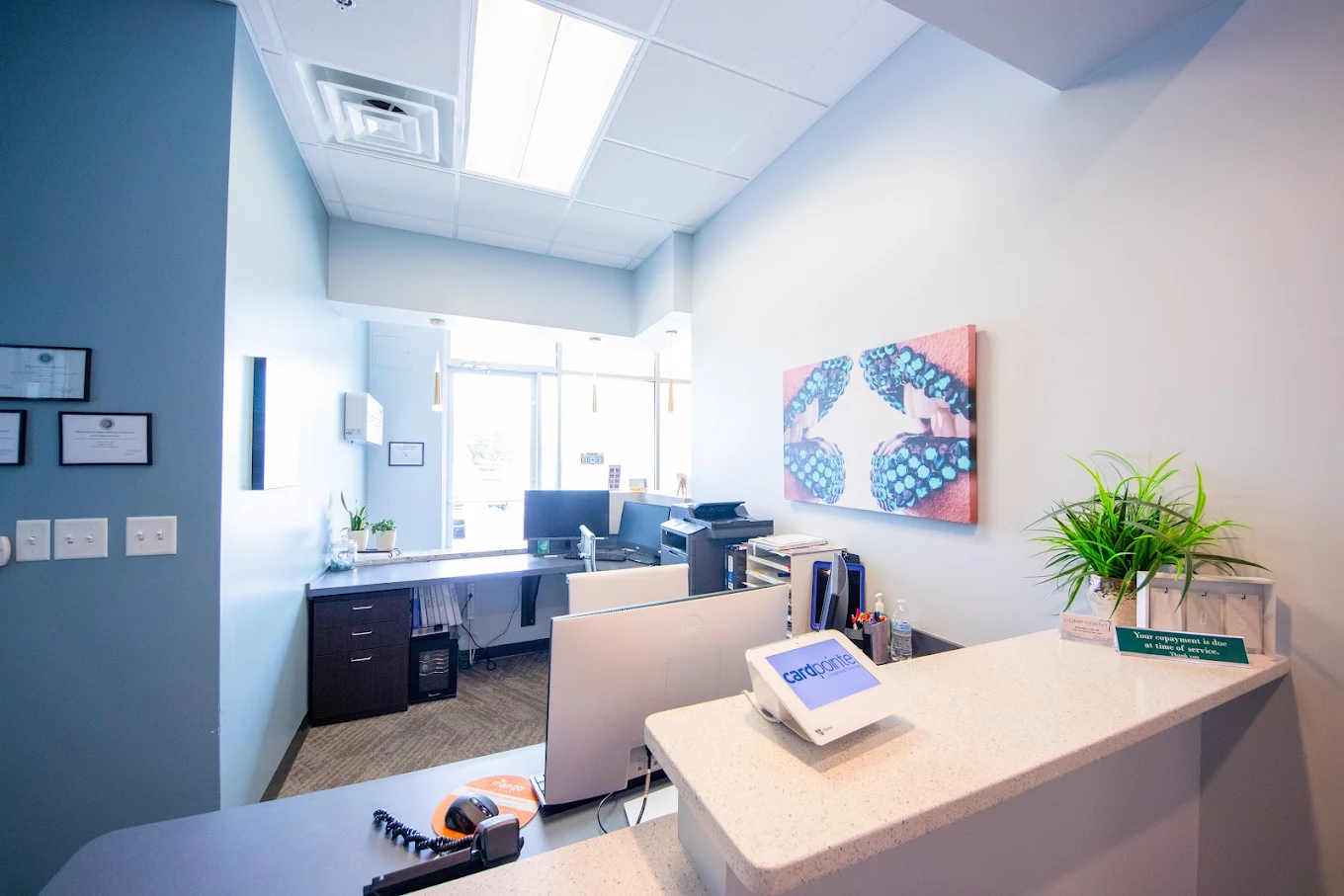
Welcoming dental office at ComfyDent Smiles

What Should You Do for a Broken Crown or Lost Filling?

If you break a restoration, collect any dislodged fragments, avoid chewing on that side of your mouth, and contact an emergency dentist to protect the exposed tooth structure. Applying over-the-counter temporary dental cement or sugar-free gum can shield exposed dentin from temperature sensitivity until your appointment.

Losing a restoration leaves the sensitive inner layers of the tooth vulnerable to physical damage and oral bacteria. While this situation may not always cause immediate agony, the weakened natural tooth underneath can easily fracture further under normal chewing forces. Contacting our team for prompt restorative repair prevents a minor restoration failure from evolving into a more complex structural complication.

Steps for Handling Damaged Restorations

  • Retrieve loose pieces: Carefully save any dislodged dental crowns or restoration fragments and bring them with you to your clinical appointment.
  • Clean the area gently: Rinse your mouth with warm salt water to clear away stray food particles without disturbing the vulnerable tooth structure.
  • Protect the exposed tooth: Cover sharp edges or sensitive open areas using a small dab of temporary dental wax or over-the-counter filling material.
  • Adjust your diet: Eat only soft foods and avoid extreme temperatures to prevent triggering severe nerve sensitivity while waiting for treatment.
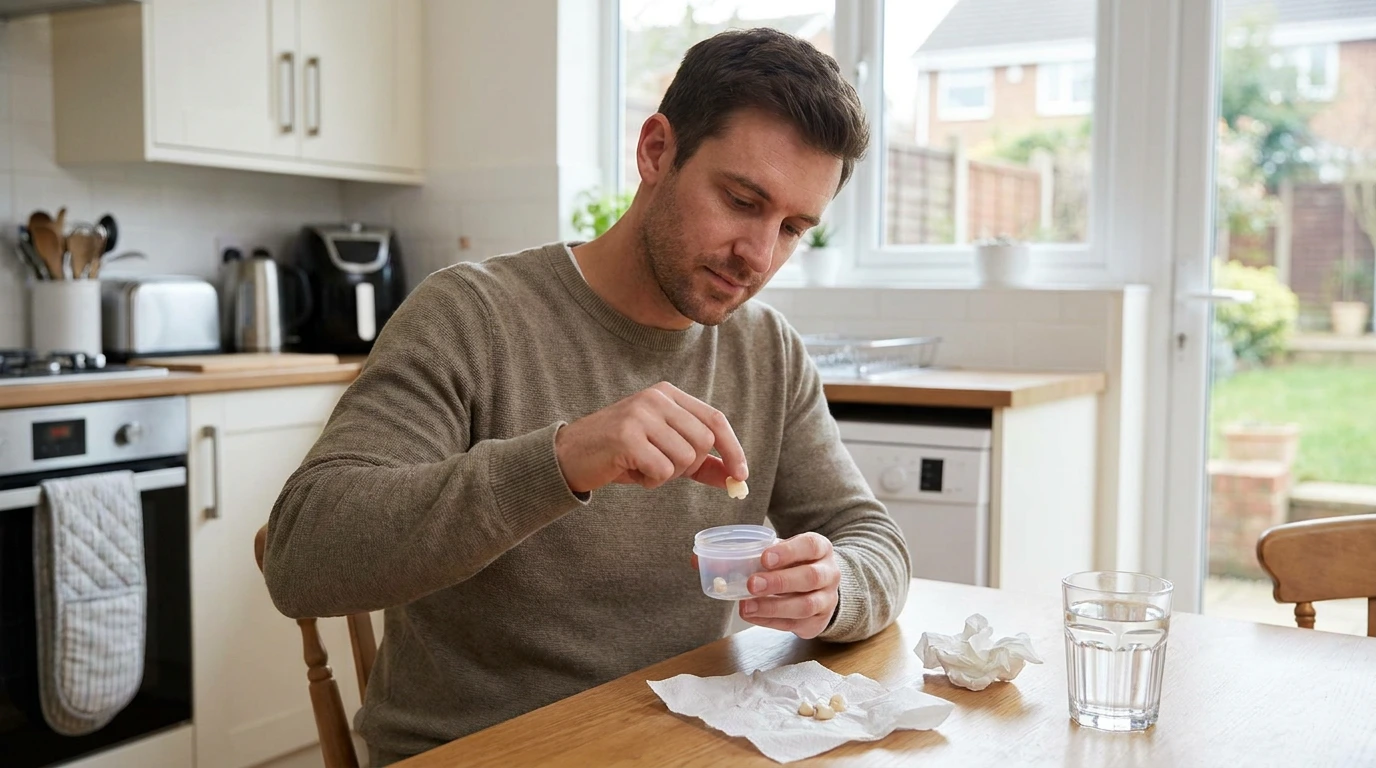
A patient sits at a kitchen table carefully placing a dislodged dental crown into a small plastic container beside a napkin and glass of water.

Managing Dental Discomfort Safely at Home

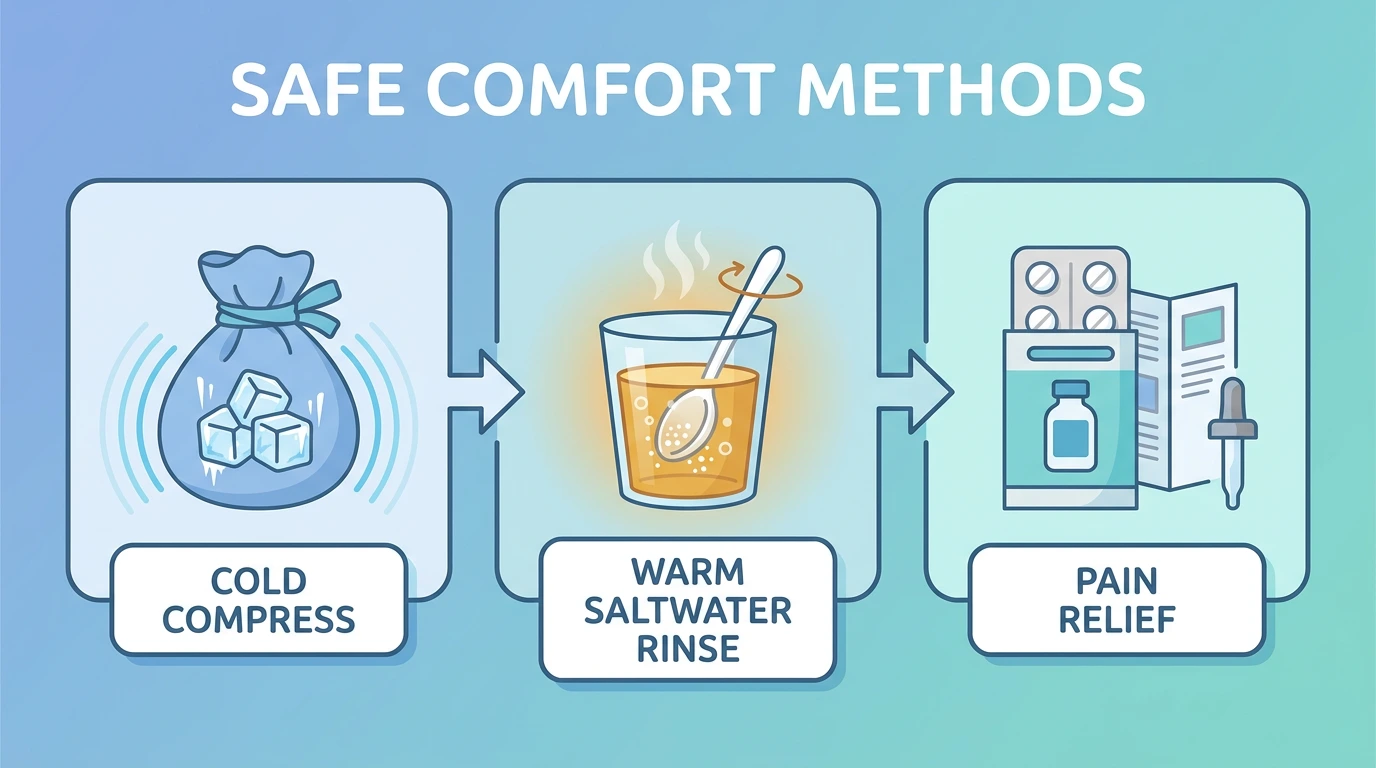
To manage oral discomfort before reaching the dental chair, take over-the-counter pain relievers as directed by a healthcare professional, apply a cold compress to your cheek, and rinse with warm saltwater. Never place an aspirin tablet directly against gum tissue, as this causes chemical burns.

Home remedies are valuable for stabilizing symptoms, but they should never be treated as a substitute for an accurate diagnosis from a qualified practitioner. Applying an ice pack wrapped in a clean cloth against the outside of your jaw for ten-minute cold intervals helps decrease localized tissue swelling and numbs sharp nerve sensations. Warm saltwater rinses also soothe tender gum tissue while naturally reducing intraoral bacterial concentrations.

It is vital to follow medication labeling strictly and consult a clinician if you have underlying medical conditions or conflicting prescriptions. Never attempt home dentistry or apply harsh household antiseptics inside your mouth, as these can cause significant soft tissue damage. At ComfyDent Smiles, our goal is to evaluate the source of your symptoms quickly so you can experience lasting physical relief.

Three illustrated panels detail safe comfort methods showing an ice bag for cold compress, a glass with a spoon for warm saltwater rinse, and medication for pain relief.

What to Expect During an Urgent Dental Visit?

During an urgent visit, your provider performs a focused visual exam, takes targeted modern imaging, diagnoses the underlying issue, and administers targeted local anesthesia to provide immediate comfort. Once symptoms are stabilized, your clinician outlines a definitive treatment plan tailored to your overall oral health goals.

Knowing what happens during an unexpected appointment helps alleviate anxiety during a stressful situation. When you visit our Bee Cave dental team, Dr. Karnik Shah works efficiently to identify why you are experiencing pain or structural damage. With options for same-day dentistry, many urgent problems can be stabilized or resolved during that initial clinical visit.

Your Urgent Care Process

  • Diagnostic evaluation: The dental team gathers focused imaging and performs targeted clinical tests to determine the precise source of the issue.
  • Rapid comfort management: Local anesthetics or comfortable supportive care options are administered early to help relieve your physical distress.
  • Immediate stabilization: The clinician repairs open cracks, re-implants dislodged teeth, or cleans out localized bacteria to halt active damage.
  • Long-term planning: You receive clear instructions for home recovery along with a detailed strategy for completing any necessary follow-up restorative treatments.
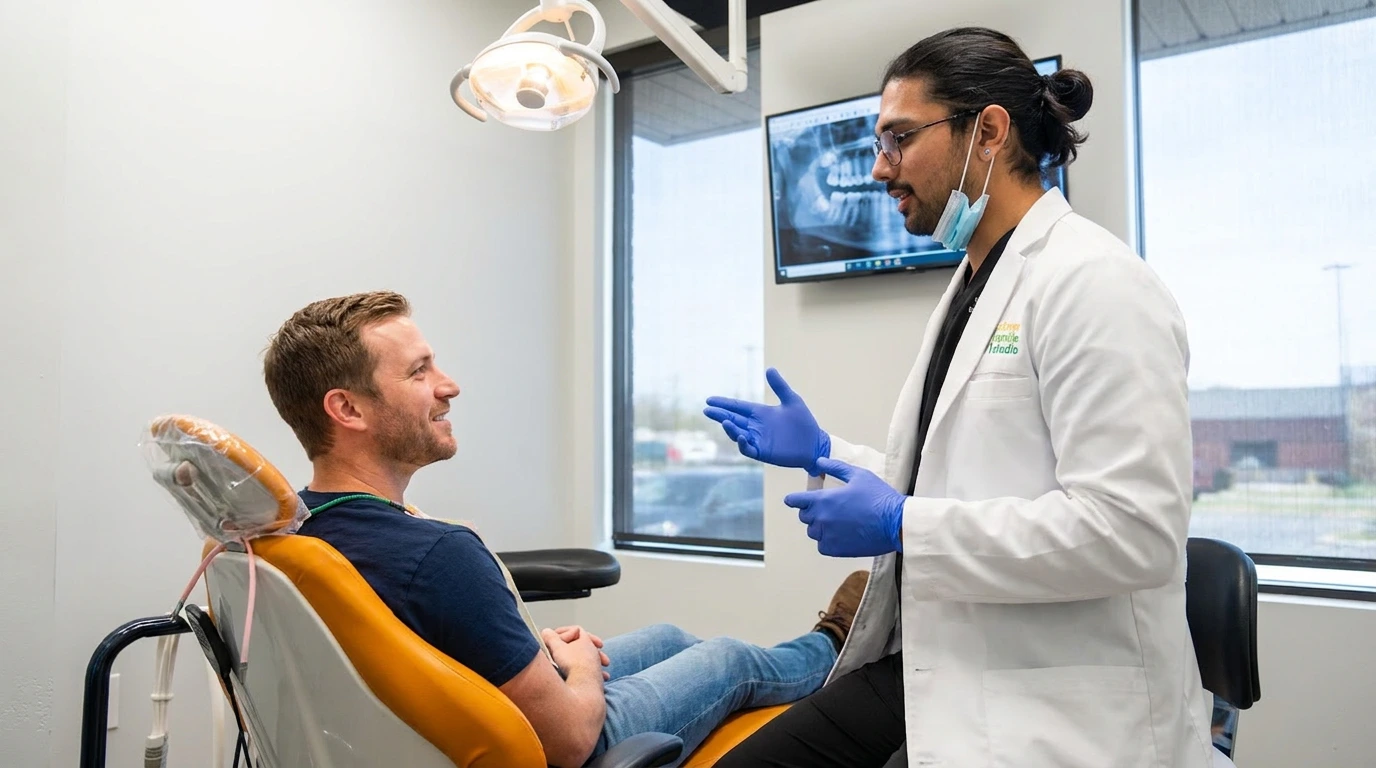
Dr. Karnik Shah gestures while speaking with a smiling patient seated in a dental chair in an examination room with an X-ray screen in the background.

Protecting Your Smile When the Unexpected Happens

Protecting your smile during an unexpected injury requires prompt first aid, stabilizing the damaged area, and contacting a trusted dental professional for definitive clinical evaluation. Having a clear plan in advance ensures that sudden trauma or pain can be managed quickly without compromising long-term dental health.

Experiencing unexpected trauma or sudden oral pain can disrupt your schedule and create substantial worry. However, having a clear understanding of basic first-aid protocols, along with having a trusted dental provider in mind, makes handling an oral injury far less intimidating. Quick personal action paired with clinical intervention helps preserve natural teeth, prevent secondary infections, and keep your smile healthy and functional over time.

Preventive steps also go a long way in lowering your personal risk for unexpected dental issues. Wearing a custom-fitted sports mouthguard during athletic activities protects delicate tooth enamel from blunt force trauma. Routine dental exams allow your clinical team to spot tiny fissures, worn fillings, or developing gum issues long before they turn into acute emergencies.

When an urgent situation does arise, our dedicated team at ComfyDent Smiles is here to support you. Serving residents throughout Bee Cave and nearby Texas communities, Dr. Karnik Shah is committed to delivering comfortable, personalized care when you need it most. Keep our contact information readily accessible so you are always prepared to act without delay.

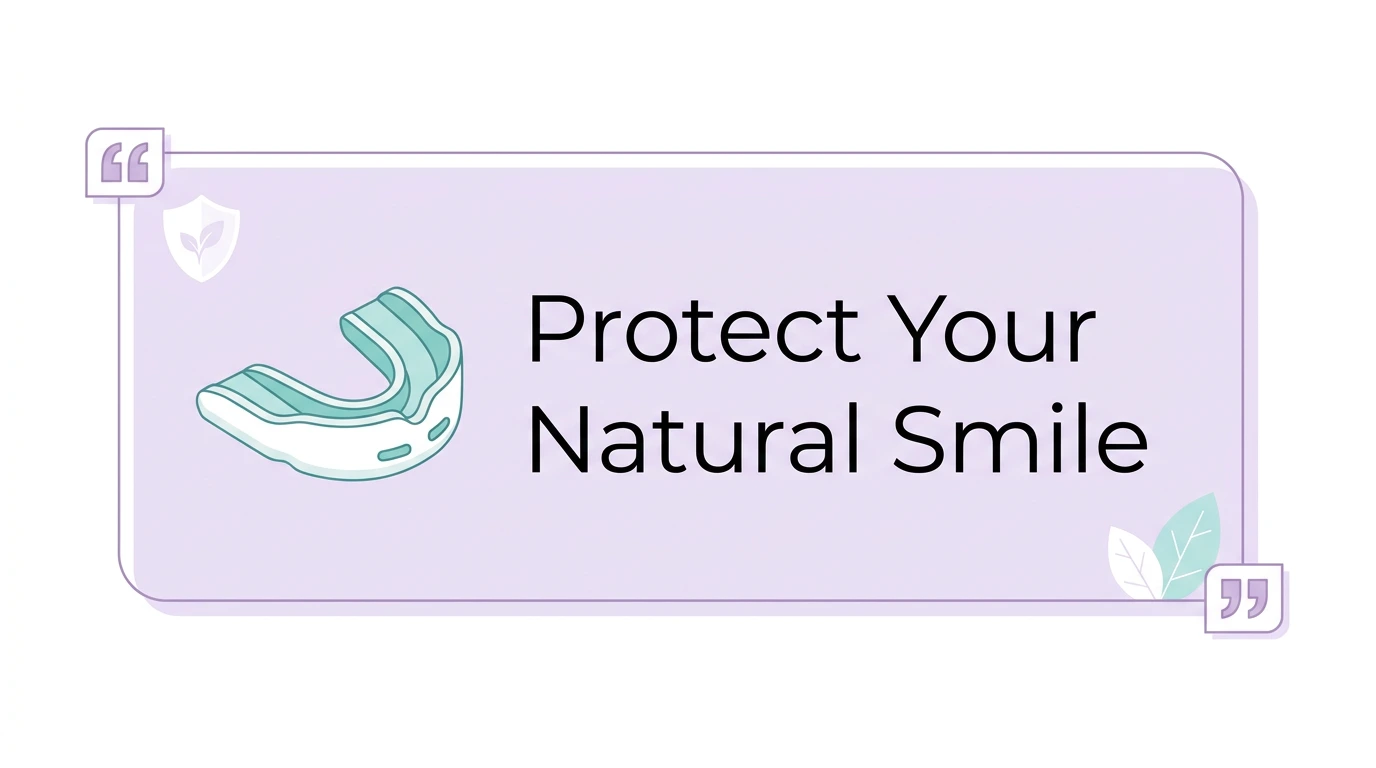
A light purple callout box features an illustration of a sports mouthguard beside the text Protect Your Natural Smile.
Categories:
No items found.

Frequently Asked Questions

1. What qualifies as an urgent dental problem?
Urgent issues include knocked-out permanent teeth, severe and persistent pain, uncontrolled bleeding from the mouth, loose adult teeth from physical impact, or painful swelling along the jawline. Minor cosmetic chips without pain can usually be evaluated during regular clinical hours.

2. Can a knocked-out permanent tooth be re-implanted successfully?
Yes, an avulsed adult tooth can often be saved if you act quickly and seek clinical care within an hour. Keep the tooth moist in milk or your own saliva, avoid touching the root, and contact our dental team right away.

3. What should I do if a dental crown falls off?
Collect the loose restoration, clean it gently, and store it in a clean container to bring to your appointment. Avoid chewing on the exposed tooth, and call our office to schedule a repair so the vulnerable underlying structure remains protected.

4. How do I safely relieve toothache pain at home?
You can use over-the-counter pain relievers according to package directions, rinse your mouth with warm saltwater, and place a cold compress on your outer cheek. Never place pain relief tablets directly against the gums, as this causes painful chemical burns.

5. Does a cracked tooth always require professional treatment?
Yes, cracked teeth should always be evaluated by a dental professional like Dr. Karnik Shah. He can determine whether microscopic cracks allow oral bacteria to enter the inner pulp chamber, which helps prevent progressive decay, nerve inflammation, or deeper structural tooth fractures.

6. Can emergency rooms handle dental problems?
Emergency rooms are generally equipped to stabilize life-threatening facial trauma or prescribe temporary pain medication and antibiotics, but they cannot perform definitive restorative dental procedures. Visiting a dental office allows you to receive proper hands-on treatment for the damaged tooth.

7. What if my gums are bleeding heavily after an injury?
Apply firm, continuous pressure to the bleeding soft tissue using a clean piece of cotton gauze or a damp cloth for fifteen minutes. If the bleeding persists after steady pressure, contact our office immediately for professional clinical guidance.

8. How can I prevent unexpected dental injuries during sports?
Wearing a custom-fabricated athletic mouthguard provides effective protection for your teeth, gums, and jawbones during contact sports. These appliances absorb and disperse physical impact forces, significantly reducing the likelihood of chipped, broken, or knocked-out teeth.

9. Is an oral abscess considered a medical emergency?
Yes, a dental abscess is an active bacterial infection that requires prompt professional attention. Without targeted treatment, localized infections can spread into the surrounding jawbone, soft facial spaces, or bloodstream, creating more serious health complications.

10. What should I bring with me to an urgent dental visit?
Bring a valid photo ID, your dental insurance information, a list of current medications, and any dislodged tooth fragments or broken restorations. Having these items on hand helps our team streamline your intake and care process.


RELATED BLOG POSTS

Stay Informed With Insights & Tips About Dental Care

A patient sits on a sofa at home and holds a cloth-wrapped cold pack against his cheek to relieve tooth pain, with a mug on the coffee table nearby.

November 7, 2026

What to Do When You Have a Dental Emergency?

Manage a dental emergency quickly with practical first-aid steps to relieve tooth pain and protect your natural smile.

READ MORE
Vanessa smiles, holding a wooden hand mirror, and touches her lip with one finger while sitting at a kitchen island with breakfast and coffee.

October 8, 2026

Are Veneers Right for Your Smile Goals?

Veneers can transform your smile by correcting discoloration, chips, gaps, and minor misalignments for renewed self-confidence.

READ MORE
Sarah looks into a bathroom mirror, lifting her upper lip with her finger to inspect her teeth with a dissatisfied expression, with a window and shower visible in the background.

September 4, 2026

5 Reasons Professional Teeth Whitening Beats at-Home Kits

Professional teeth whitening provides a safer, more effective path to a dramatically brighter, lasting smile than at-home kits.

READ MORE
GET IN TOUCH

Let's Start A Conversation

Tell us a little about what brings you in. Whether you have a question about a service, want to check on your insurance, or are ready to book, we are happy to hear from you. We respond to every message within one business day, often the same morning.

OFFICE HOURS

Mon - Fri: 8:00 AM - 4:00 PM
Sat, Sun: Closed

Dental Emergency?

Same-day emergency appointments available. Call us now at (512) 540-4644.

Send An Inquiry

Thank you for booking your appointment!

We’ve received your request and will contact you soon to confirm the details. We look forward to seeing you at Comfydent Smiles!

Oops! Something went wrong while submitting the form.